The Hidden Dangers: Fatal Drug Interactions and the Risks of Mixing Medications with Natural Remedies
It's time we move beyond the 'one-size-fits-all' and belief that it's simply ok to mix natural remedies with medications. Chemistry is chemistry.
Tammy L. Davis
12/1/20253 min read
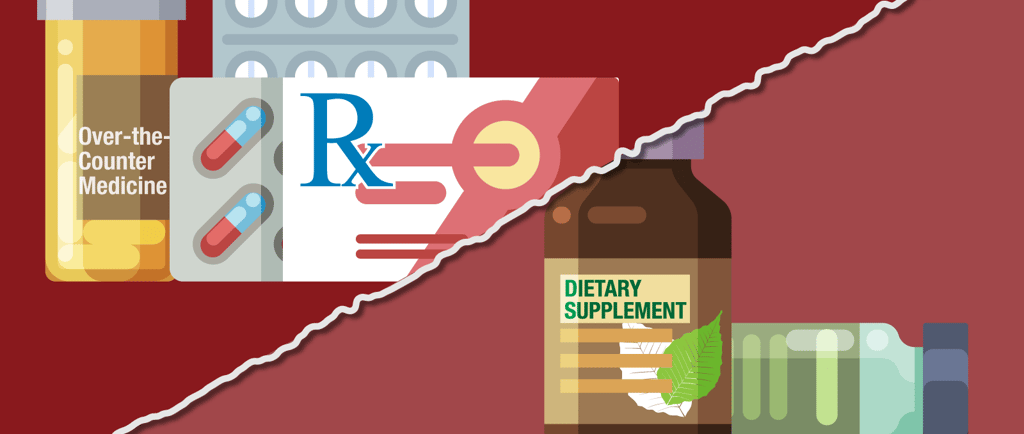
The Hidden Dangers: Fatal Drug Interactions and the Risks of Mixing Medications with Natural Remedies
In our fast-paced world, managing health often involves juggling multiple medications or turning to natural remedies for relief. But what happens when these seemingly helpful substances interact in unexpected ways? Peer-reviewed research reveals that drug-drug interactions (DDIs) and herb-drug interactions (HDIs) can lead to severe outcomes, including death. Drawing from analyses of adverse event databases and clinical studies, this article explores the evidence behind these risks, highlighting why awareness and caution are crucial for anyone on prescriptions or supplements.
Understanding Drug-Drug Interactions and Their Deadly Potential
Drug-drug interactions occur when two or more medications affect each other's efficacy or safety, potentially leading to toxicity, reduced treatment effectiveness, or exacerbated health conditions. A retrospective analysis of over 177,000 DDI reports from the FDA's Adverse Event Reporting System (FAERS) up to early 2024 found that nearly 87% were significant, with about 8% resulting in death—totaling over 14,000 fatal cases. Common culprits include blood thinners like warfarin, pain relievers such as aspirin, and antidepressants like sertraline, which together accounted for a substantial portion of interactions.
In hospital settings, the prevalence is alarming. One study of emergency departments detected potential DDIs in 96% of patients, with blood pressure medications involved in nearly 40% of cases. Another intervention-based research showed that educational programs could reduce these interactions, underscoring the role of awareness in prevention. For cancer patients, a review of hospitalized cases identified over 1,100 potential DDIs, with 17% classified as major and potentially life-threatening.
Polypharmacy—the use of multiple drugs—amplifies these dangers. A meta-analysis of 47 studies linked each additional medication to an 8% higher mortality risk, with one large cohort associating it with over 450,000 deaths in older adults over five years. Forensic data further highlights combinations like methadone and benzodiazepines, which can induce fatal heart rhythm issues such as torsades de pointes. In polysubstance overdose clusters, over 80% of deaths involving top drugs like opioids and stimulants included at least one other substance.
These findings emphasize that DDIs aren't just theoretical; they're a leading cause of adverse drug events, contributing to up to 21% of hospital admissions related to medication issues. Deep learning models are even being developed to predict and mitigate these risks in real-time.
The Overlooked Risks: When Natural Remedies Turn Deadly
Natural remedies, often perceived as safer alternatives, can interact with prescriptions in ways that mirror or exceed the dangers of DDIs. Systematic reviews document severe outcomes from herbs like kava, ephedra, and St. John's wort, including liver failure, bleeding, and death. For instance, ephedra in weight-loss supplements has caused heart attacks and strokes, leading to at least a dozen fatalities.
A comprehensive review of warfarin interactions identified 78 herbs and supplements, such as ginseng and ginkgo biloba, that heighten bleeding risks when combined with anticoagulants. St. John's wort, in particular, can reduce the effectiveness of cancer drugs like tyrosine kinase inhibitors, increasing mortality risk by altering drug levels. Kava has been linked to hepatotoxicity requiring transplants, especially with other liver-stressing medications.
High-risk groups, including the elderly and cancer patients, face amplified dangers. One study using global pharmacovigilance data like VigiBase highlighted herb-anticancer drug interactions leading to serious adverse events or death. Indirect risks, such as delaying conventional treatment or contamination in unregulated products, further contribute to fatalities. In some regions, traditional medicines have been implicated in up to 20% of unnatural deaths due to toxicity or interactions.
Underreporting is a major issue; many patients don't disclose supplement use, leading to unforeseen complications. While some herbs show promise in managing side effects—like in cancer therapy—their interactions demand careful monitoring.
Key Takeaways and Staying Safe
The evidence is clear: Both DDIs and HDIs pose significant threats, from organ damage to fatal overdoses. Factors like polypharmacy, age, and underlying conditions heighten vulnerability. To protect yourself:
- Consult Professionals: Always discuss all medications and supplements with your doctor or pharmacist.
- Use Tools and Apps: Leverage DDI checkers or apps for quick assessments.
- Stay Informed: Read labels and stay updated on recalls or warnings.
By understanding these interactions, we can make smarter health choices. If you're dealing with multiple treatments, prioritize open communication— it could save your life.
This article is for informational purposes only and not a substitute for medical advice.