The skin-brain axis ...
... how the microbiome bridges the dermal and neural worlds
Tammy Davis
12/21/20257 min read
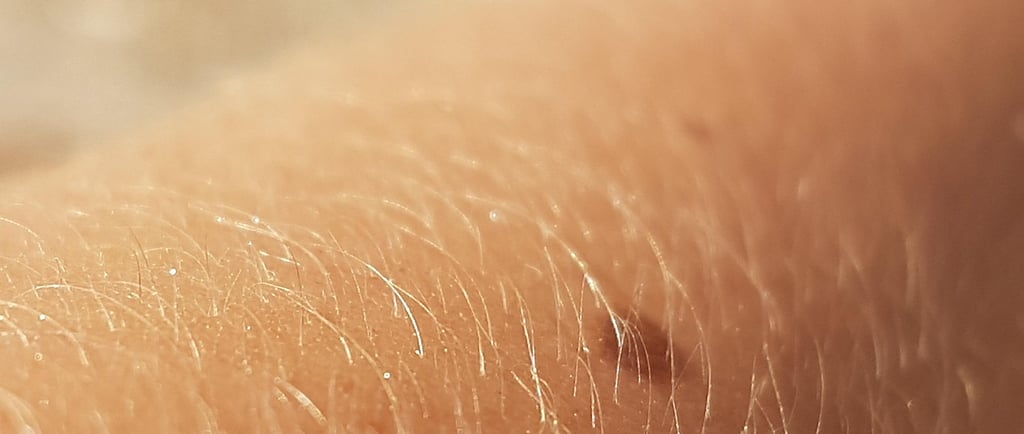
A New Frontier in Neuroaromatherapy
For years, we’ve understood that the gut microbiome communicates with the brain through the vagus nerve, influencing everything from mood to cognition. But what if I told you that your skin and scalp microbiomes are having similar conversations with your nervous system—and that this changes everything we thought we knew about topical aromatic interventions?
Recent peer-reviewed research is unveiling a sophisticated “skin-brain axis” that operates through multiple bidirectional pathways, offering profound implications for how we understand neuroaromatherapy at the dermal interface.
Beyond the Gut: Understanding Microbial-Neural Communication
The gut-brain axis has become well-established in scientific literature, with the vagus nerve serving as a primary highway for bidirectional communication between intestinal microbes and the central nervous system. Gut bacteria produce neurotransmitters, short-chain fatty acids (SCFAs), and other metabolites that influence brain function, behavior, and mental health.
But the gut isn’t the only microbial ecosystem with direct neural access. Your skin—the body’s largest organ—hosts its own complex microbiome consisting of bacteria, fungi, and other microorganisms living in intimate relationship with one of your body’s most densely innervated tissues.
The Skin-Brain Axis: Multiple Pathways of Communication
Recent research published in leading journals reveals that the skin microbiome communicates with the nervous system through at least four major pathways:
1. Metabolite-Mediated Signaling
A groundbreaking 2024 study in Scientific Reports examined whether skin bacteria could influence brain cognitive functions. Using EEG measurements during cognitive tasks, researchers found that skin bacterial populations produce the same short-chain fatty acids (SCFAs) as gut microbes—including butyrate, propionate, and acetate—and that these metabolites appear capable of affecting brain activity and cognitive performance.
This is remarkable: the same metabolic language that gut bacteria use to communicate with your brain is being spoken by the microbes living on your skin surface.
2. Direct Neuron-Microbe Communication
Perhaps most fascinating is the discovery that skin microbes don’t just communicate through the bloodstream—they signal directly to sensory neurons. A 2023 study published in Cell revealed that tissue-resident T cells responding to commensal skin bacteria (specifically Staphylococcus aureus) colocalize directly with sensory nerve fibers within the dermis.
These immune cells, activated by microbial presence, release interleukin-17A (IL-17A) that is sensed directly by nearby sensory neurons via IL-17 receptors. This communication promotes neuronal repair following injury and demonstrates that your skin’s microbial ecosystem actively participates in maintaining peripheral nervous system health.
Skin sensory neurons express pattern recognition receptors that detect microbial products directly—meaning they function as both sentinels of sensation and as components of innate immunity. When activated by microbial signals, these neurons release neuropeptides including substance P (SP) and calcitonin gene-related peptide (CGRP) that modulate local immune responses, creating a sophisticated feedback loop between microbes, immunity, and neural function.
3. HPA Axis Modulation
The hypothalamic-pituitary-adrenal (HPA) axis serves as another critical bridge. Research published in multiple neuroscience journals demonstrates that skin microbial dysbiosis can activate systemic inflammatory pathways and trigger HPA axis responses. This creates a cascade where skin microbiome imbalances can influence stress hormone production, which in turn affects both mood disorders and cutaneous inflammation—a bidirectional relationship where skin health and mental state become inextricably linked.
Chronic stress reactions activate the HPA axis, which modulates immune function through neuroendocrine factors and the autonomic nervous system. Many inflammatory mediators involved in skin conditions like atopic dermatitis and psoriasis are also associated with depression and anxiety disorders, affecting brain function through this shared pathway.
4. Neurotransmitter Production and Reception
Your skin is far more neurologically active than previously understood. Recent studies in the emerging field of “neurocosmetics” reveal that skin cells—including keratinocytes, melanocytes, and immune cells—are capable of synthesizing and responding to neuromediators such as β-endorphins, dopamine, serotonin, and substance P.
Furthermore, research on the gut-brain-skin axis in conditions like psoriasis has identified that gut bacteria produce and consume major neurotransmitters including dopamine, serotonin, and gamma-aminobutyric acid (GABA). While research on whether skin bacteria possess similar neurotransmitter-modulating capabilities is still emerging, the presence of neurotransmitter receptors throughout skin tissue suggests a sophisticated system for neurochemical communication at the dermal interface.
The Scalp Microbiome: A Unique Neuro-Ecosystem
The scalp presents a particularly interesting microbial environment. With its high sebum production, dense hair follicles, and rich vascular supply, the scalp hosts a distinctive microbiome dominated by lipophilic organisms like Malassezia yeasts, Propionibacterium acnes, and Staphylococcus epidermidis.
Research published in Frontiers in Cellular and Infection Microbiology found that the healthy scalp’s bacterial microbiome shows significant enrichment of metabolic pathways related to the synthesis and metabolism of amino acids, biotin, and B-vitamins—nutrients essential not just for hair growth but for neurological function. This suggests the scalp microbiome may play a particularly important role in supporting both local and potentially systemic nervous system health.
Studies examining scalp conditions like dandruff, seborrheic dermatitis, and alopecia areata consistently find associations with microbial dysbiosis. Given what we now know about skin-brain communication pathways, these conditions may represent not just dermatological issues but disruptions in local neuroimmune signaling.
The Gut-Brain-Skin Triangle
The relationship isn’t linear but triangular. Research validates a “gut-brain-skin axis” where all three systems communicate bidirectionally. Gut dysbiosis can trigger systemic inflammation that affects skin microbiome composition, which then influences local neural signaling. Simultaneously, skin inflammation can modulate gut function through shared immune and neuroendocrine pathways.
A 2020 review in Dermatology and Therapy examining psoriasis noted that neurotransmitter modulation by gut microbiota appears to be a key regulator of communication in the gut-brain-skin axis, with preliminary clinical trials showing that oral probiotic interventions improved skin symptoms—possibly through their effects on nervous system-mediated immune regulation.
Implications for Neuroaromatherapy
This emerging understanding transforms how we conceptualize topical aromatic interventions. When we apply essential oils to skin or scalp, we’re not simply delivering isolated chemical constituents through passive absorption. We’re introducing bioactive molecules into a complex ecosystem where:
1. Microbial communities are actively communicating with sensory neurons
Essential oil constituents with antimicrobial, prebiotic, or microbiome-modulating effects may alter the metabolic output of skin microbes, changing the signaling landscape that sensory neurons receive.
2. Skin cells are producing and responding to neurotransmitters
Constituents that modulate neurotransmitter synthesis, receptor activity, or degradation at the skin level may influence not just local sensation but potentially systemic nervous system tone through the skin-brain axis.
3. Immune-neural feedback loops are continuously active
Anti-inflammatory and immune-modulating compounds in essential oils may interrupt or support the cytokine signaling that connects microbial sensing with neuronal activation, potentially influencing pain, itch, and systemic stress responses.
4. The HPA axis is monitoring skin homeostasis
Constituents that support skin barrier function, reduce local inflammation, or normalize microbial balance may reduce the inflammatory signals that activate stress responses through the HPA axis.
Biochemical Individuality at the Dermal Interface
Just as no two people have identical gut microbiomes, skin and scalp microbial communities vary dramatically between individuals based on genetics, environmental exposure, hygiene practices, diet, stress levels, and previous antibiotic use. This microbial uniqueness interacts with equally unique patterns of sensory innervation, immune function, and baseline HPA axis tone.
This is why the ANIS (Aromatic Neural Integration System)™️ becomes even more critical when working with topical aromatics. A blend that supports one person’s skin-brain communication may be neutral or even disruptive for another, depending on their unique:
Baseline microbiome composition
Sensory neuron receptor expression patterns
Immune signaling status
HPA axis reactivity
Ectopic olfactory receptor distribution in their skin
The same beta-caryophyllene that might reduce inflammatory signaling for one person could trigger different responses in someone with a different microbial ecosystem or immune baseline.
The Future of Skin-Based Nervous System Support
This research opens extraordinary possibilities. Rather than viewing topical aromatics solely as substances that absorb through skin to reach internal organs, we can recognize them as modulators of a sophisticated communication network that already exists at the dermal interface.
When we apply lavender oil to support nervous system calming, we may be:
Modulating skin microbiome metabolite production
Influencing local GABA activity in skin cells
Reducing inflammatory cytokines that would otherwise activate the HPA axis
Supporting sensory neuron function through direct receptor activation
Altering the immune-neural dialogue happening in real-time at sensory nerve endings
The skin isn’t just a passive absorption site—it’s an active neuro-immuno-endocrine organ in constant conversation with your brain.
Clinical Considerations
For practitioners working with neuroaromatherapy, these findings suggest several important considerations:
Support the Skin Barrier: A healthy skin barrier maintains proper microbial balance. Constituents that support barrier function (like certain sesquiterpenes and fatty acids) may optimize the skin-brain signaling environment.
Consider Microbial Balance: Not all antimicrobial activity is beneficial. Supporting commensal diversity while addressing pathogenic overgrowth requires nuanced constituent selection.
Address Inflammation Intelligently: Chronic low-grade inflammation disrupts skin-brain communication. However, acute inflammatory signaling serves important purposes. Timing and context matter.
Remember Systemic Connections: What happens at the skin level doesn’t stay at the skin level. Local interventions can influence the systemic nervous system tone through multiple pathways.
Individualize Ruthlessly: The variability in microbiome composition, immune function, and neural receptor expression means generic protocols will produce inconsistent results.
Conclusion: Expanding the Aromatic Lens
The discovery of robust skin-brain and scalp-brain communication pathways doesn’t diminish the importance of aromatic molecules crossing into systemic circulation or being processed through nasal olfaction. Rather, it adds another sophisticated layer to our understanding of how essential oils support nervous system function.
Your skin is hosting trillions of microbes that are actively signaling to billions of sensory neurons, which are releasing neuropeptides that modulate immune cells, which are producing cytokines that influence brain function—all while your skin cells themselves are synthesizing neurotransmitters and responding to your stress state through the HPA axis.
Into this extraordinary conversation, we introduce plant chemistry that has co-evolved with mammalian and microbial systems for millions of years. The constituents in genuine essential oils aren’t foreign invaders but molecular participants in ancient dialogues between plants, microbes, immune systems, and nervous systems.
As research continues to illuminate these pathways, our ability to design truly personalized neuroaromatic interventions grows more sophisticated. The skin-brain axis represents not just a new discovery, but a new frontier—one where the wisdom of traditional plant medicine meets cutting-edge neuroscience to support the intricate dance between body, brain, and the microbial communities that bridge them.
The future of neuroaromatherapy is being written at the surface of your skin.
*References available upon request for professional use.
About the Author: Tammy Davis is a Clinical Neuroaromatherapist with nearly 40 years of experience bridging pharmacology, neuroscience, and essential oil chemistry. She is the founder of Aromagenomics, and the creator of the ANIS (Aromatic Neural Integration System)™️.
To learn more, contact her here.